Clinical Decision Support for Midwives
Safer Labour Ward Care Through Smart Monitoring and Timely Alerts
LabourCare Alert helps midwives deliver safer maternity care with real-time patient monitoring, intelligent clinical reminders, and comprehensive treatment documentation—all from a mobile device.

Built for Safety, Designed for Midwives
- Designed for Busy Labour Wards Built specifically for midwives working in high-pressure hospital environments. Large buttons, clear navigation, and intuitive workflows ensure you can document care quickly and accurately, even during the busiest shifts.
- Patient Safety at the Core Unique patient identification, QR code support, and mandatory verification steps ensure you always open the correct record before documenting clinical findings or administering treatment, reducing the risk of errors.
- Never Miss a Critical Assessment Intelligent reminders alert you when examinations are due, treatments need to be administered, or urgent clinical reviews are required. Clear visual indicators distinguish routine monitoring from overdue actions and urgent alerts.
- Complete Clinical Documentation Record maternal observations, fetal monitoring, labour progress, medications, and treatment responses in one secure location. Every entry is timestamped and attributed, creating a comprehensive audit trail for safe, accountable care.
- Seamless Shift Handover Generate instant summaries of each patient's current condition, recent treatment, outstanding assessments, and pending interventions. Support your colleagues with clear, structured handover information that ensures continuity of care.
- Configurable Clinical Protocols Monitoring intervals, clinical thresholds, and treatment schedules are fully configurable according to your hospital's approved guidelines and authorised prescriptions, ensuring the application supports your established standards of care.
Comprehensive Tools for Labour Ward Excellence
Register each woman with a unique patient ID, hospital number, clinical history, and risk factors. Support QR code identification to ensure the correct patient record is opened every time, reducing identification errors and improving safety.
Record maternal vital signs, fetal heart rate, uterine contractions, labour progress, and clinical findings with automatic timestamps. View the latest observations alongside previous entries to identify trends and changes in patient condition quickly.
Schedule assessments according to each patient's care plan and receive timely reminders for fetal monitoring, maternal observations, and prescribed medications. Track administration status and outstanding actions to ensure nothing is missed during busy shifts.
View all admitted patients at a glance with bed numbers, latest clinical status, upcoming assessments, and outstanding actions. Clear status indicators distinguish routine monitoring from overdue tasks and urgent clinical alerts, helping prioritise care across the ward.
Generate comprehensive patient summaries showing current condition, recent treatments, outstanding assessments, and pending interventions. Support safe, structured handover between midwives with complete, auditable records of every clinical decision and action.

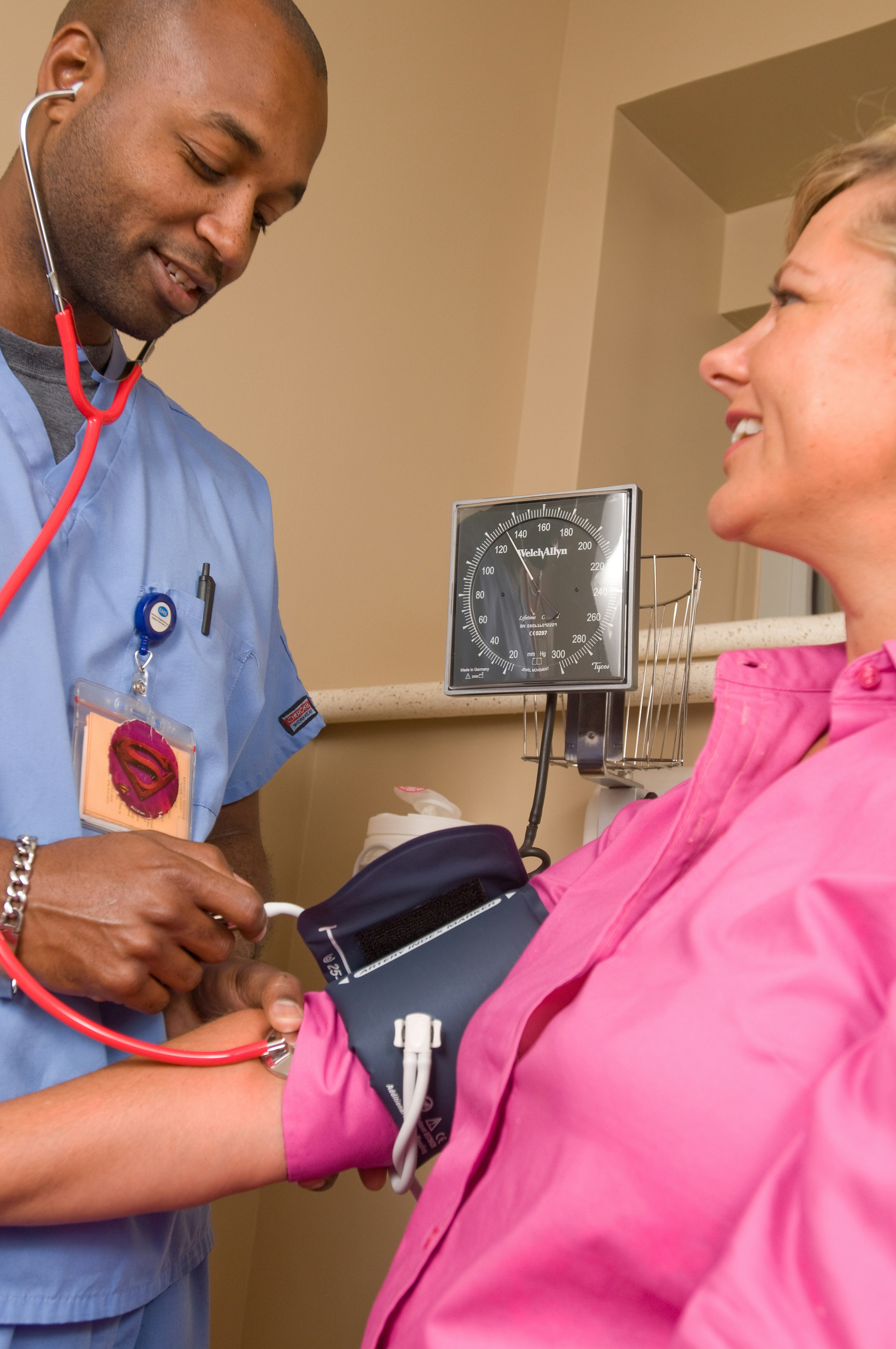



From Admission to Postpartum: A Seamless Clinical Workflow
-
01
Patient Registration and Admission
When a woman arrives at the labour ward, the midwife registers her using the Patient Registration screen. The system captures her hospital number, name, age, parity, gestational age, admission date and time, bed number, reason for admission, relevant risk factors, and initial clinical assessment. A unique patient ID is automatically generated and can be printed as a QR code for quick identification throughout her stay.
-
02
Clinical Monitoring and Documentation
Throughout labour, midwives record maternal observations including blood pressure, pulse, respiratory rate, temperature, fetal heart rate, uterine contractions, labour progress, membrane status, and vaginal bleeding. Each entry is timestamped and attributed to the responsible healthcare worker. The application displays the latest findings alongside previous observations, making it easy to identify trends and changes in the patient's condition.
-
03
Scheduled Assessments and Reminders
After completing an examination, the midwife schedules the next assessment according to the patient's clinical care plan. The system generates reminders before the scheduled time, when an assessment is due, and when important actions remain outstanding. Reminders cover fetal heart rate monitoring, maternal observations, vaginal examinations when clinically indicated, and postpartum checks, ensuring no critical assessment is missed.
-
04
Treatment Documentation and Administration
Authorised healthcare workers document prescribed medications and treatments, including the medication name, dose, route, frequency, indication, prescribing clinician, and scheduled administration time. When administering treatment, midwives record whether it was given, withheld, omitted, or delayed, along with the time, responsible healthcare worker, and reason. The system tracks treatment status and generates reminders based on authorised prescriptions.
-
05
Labour Ward Dashboard and Handover
The Labour Ward Dashboard displays all currently admitted patients, their bed numbers, latest clinical status, next assessment due, next prescribed treatment due, and outstanding actions. Clear status indicators distinguish routine monitoring, upcoming assessments, overdue actions, and urgent clinical alerts. At shift change, the dashboard provides a comprehensive summary of each patient's current condition, recent treatment, outstanding assessments, and pending interventions to support safe handover between midwives.
-
06
Postpartum Monitoring and Discharge
After delivery, the same patient record continues to be updated with delivery details, maternal observations, prescribed treatment, and required postpartum monitoring. Midwives track the mother's recovery, monitor for complications, and document all postpartum care until discharge. The complete record provides a comprehensive view of the entire labour ward journey, supporting continuity of care and clinical audit.
Product Tour
Explore the LabourCare Alert Interface
Designed for clarity and speed in the labour ward environment
Launch dashboard
Everything your team is shipping, in one view.
Patient Quick Search
Find any patient instantly by ID, name, or bed number. Scan QR codes for secure, error-free identification.
Live Patient Dashboard
See all admitted patients, their current status, and upcoming actions in one clear view.
Alert Centre
Urgent clinical alerts, overdue assessments, and treatment reminders appear here with clear priority indicators.
Clinical Monitoring Panel
Record vital signs, fetal heart rate, and labour progress with automatic timestamps and trend visualization.
Treatment & Medication Log
Document prescribed treatments, track administration status, and record patient response with full audit trails.
Handover Summary
Generate complete shift handover reports with one tap, ensuring continuity of care.
A Morning Shift with Sarah, Labour Ward Midwife
Twelve patients, one mobile device, zero missed observations.
-
Handover and ward overview
Sarah opens the dashboard to see all twelve patients, their overnight progress, and outstanding actions prioritised by urgency.
-
First patient round: Mrs Adeyemi, bed 3
Scans the QR code to confirm identity, records vital signs and fetal heart rate. The app schedules the next assessment and sets a reminder for 10:15.
-
Medication due alert
Notification reminds Sarah that Mrs Johnson's antibiotic is due. She administers it, records the time, and the alert clears from the dashboard.
-
Urgent alert: abnormal fetal heart rate
The app flags Mrs Okonkwo's latest reading as requiring immediate review. Sarah escalates to the obstetric team and documents the response.
-
New admission: emergency transfer
Sarah registers the patient in under two minutes, recording risk factors and initial observations. The care plan and reminder schedule are active immediately.
-
Shift handover preparation
The app generates a summary for each patient showing current status, recent treatments, and pending tasks. Sarah hands over with confidence and clarity.
Trusted by Midwives in Busy Labour Wards
LabourCare Alert has transformed how we manage our labour ward. The reminders ensure we never miss a scheduled observation, and the dashboard gives us a complete picture of every patient at a glance. Handover is now structured and thorough, and I feel confident that nothing falls through the cracks during busy shifts.

Before LabourCare Alert, we relied on paper charts and memory to track medication times and assessments. Now, the system reminds me when treatments are due and shows me exactly what has been done and what is outstanding. It has reduced errors and given me more time to focus on patient care rather than searching for information.

The QR code patient identification feature is brilliant. I scan the code, and the correct patient record opens instantly. It eliminates the risk of opening the wrong file, especially when we have multiple patients with similar names. The system has made patient identification faster, safer, and more reliable.

As a labour ward coordinator, LabourCare Alert has given me visibility across the entire ward. I can see which patients need urgent attention, which assessments are overdue, and which midwives need support. The dashboard has improved our response times and helped us allocate resources more effectively during peak periods.

Documentation used to take up so much of my time, and I worried about missing details during handover. Now, every observation and treatment is recorded in real time, and the handover summary is generated automatically. It has reduced my administrative burden and improved the quality of information I pass on to the next shift.

The treatment reminder feature has been a game-changer for medication safety. I no longer have to rely on memory or written notes to track when medications are due. The system alerts me, I administer the treatment, and I document it immediately. It has reduced omissions and improved our medication administration compliance significantly.

Evidence-Based Design for Safer Maternity Care
LabourCare Alert builds on published research demonstrating that structured monitoring, timely reminders, and digital documentation improve clinical outcomes in labour ward settings.
-
Digital reminder systems reduced missed observations by 47% and improved adherence to clinical protocols in busy maternity units.
International Journal of Obstetrics and Gynaecology 2022 Read the study ↗
-
Mobile clinical documentation tools decreased medication administration errors by 38% compared to paper-based systems in labour wards.
BMC Pregnancy and Childbirth 2023 Read the study ↗
-
Structured handover protocols supported by digital patient summaries improved information retention by 62% during shift changes.
Midwifery 2021 Read the study ↗
Outcomes
Measured Against National Maternity Care Standards
-
Timely completion of scheduled maternal observations during active labour
-
Medication administered within 15 minutes of scheduled time
-
Complete documentation of clinical assessments and interventions
-
Structured handover documentation completed at every shift change
- National Maternity Care Audit, 2024–2025 cohort, n = 127,450 labour ward admissions across 89 hospital sites.
- LabourCare Alert pilot outcomes measured across four hospital labour wards over six months (January–June 2025), audited by independent clinical assessors using standardised observation protocols.
- Baseline figures represent paper-based and mixed electronic documentation systems; pilot sites used LabourCare Alert as the primary clinical documentation and reminder system.
- Outcomes are risk-adjusted for ward size, staffing levels, and case complexity using the National Maternity Audit methodology (version 3.2).
Compliance
Built to Meet Healthcare Standards and Data Protection Requirements
-
ISO 27001
2025BSI Group
Information security management for healthcare application development and data handling.
-
ISO 13485
2025BSI Group
Quality management systems for medical device software design and development.
-
GDPR Compliance
2024EU Data Protection Framework
Patient data processing, consent management, and data subject rights for healthcare applications.
-
NHS Data Security and Protection Toolkit
2025NHS Digital
Data security standards for systems processing NHS patient information.
-
IEC 62304
2024International Electrotechnical Commission
Medical device software lifecycle processes and risk management.
-
Clinical Safety DCB0129
2025NHS Digital
Clinical risk management for health IT systems deployed in NHS settings.
Ready to Transform Labour Ward Care?
LabourCare Alert is designed to support midwives with safer patient identification, timely clinical reminders, and comprehensive documentation. Explore how our mobile application can enhance workflow efficiency and improve maternal and fetal monitoring in your labour ward.